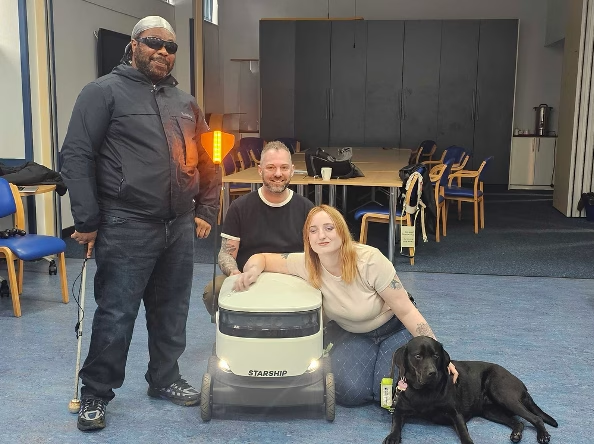
When we launch somewhere new, one of the first things we do is reach out to disability and accessibility organisations. Not as a box-ticking exercise but because it genuinely matters to us, and because the questions people have are really reasonable ones.
How will a cane user know a robot is there? Will a guide dog react when it sees one? What happens if a robot and a wheelchair meet on a narrow path? We don’t shy away from those questions. We’ve learned a lot from them over the years, and our robots are better because of it.
So here are the actual answers.
Guide dogs don’t react to robots at all. We did testing with Guide Dogs UK and the dogs treat robots like they would any other street furniture. Before we launched in Sheffield last week, we also took a robot along to the Sheffield Royal Society for the Blind to meet their members. More than 20 people came to the drop-in, including two guide dogs, and the reaction was exactly the same – completely unbothered.
Wheelchairs and mobility devices – our robots now understand what these are. When a robot sees one it automatically becomes more cautious, and an additional layer of human oversight kicks in as well. On the rare occasion a robot and wheelchair meet on a narrow path, the robot speaks to let the person know a human operator is taking over, and the robot is safely reversed out of the way.
Cane recognition is a more difficult challenge. Robots avoid people and obstacles, but identifying a cane so they can respond appropriately – like announcing themselves – requires more advanced training. We’ve been running sessions with sight loss charities to help robots learn, and the more encounters we have, the better the robot gets at recognising one. The goal is for the robot to say a friendly, “Hello, I’m a Starship robot, just letting you know I’m here.” We’re not there yet, but we’re determined to get it right.
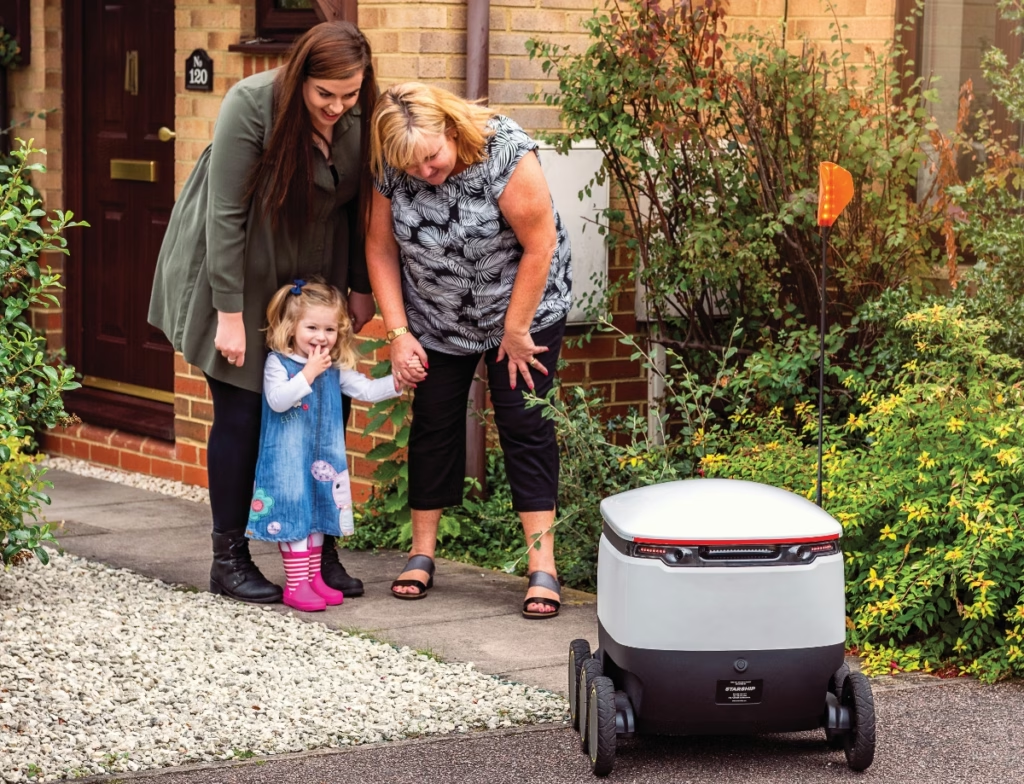
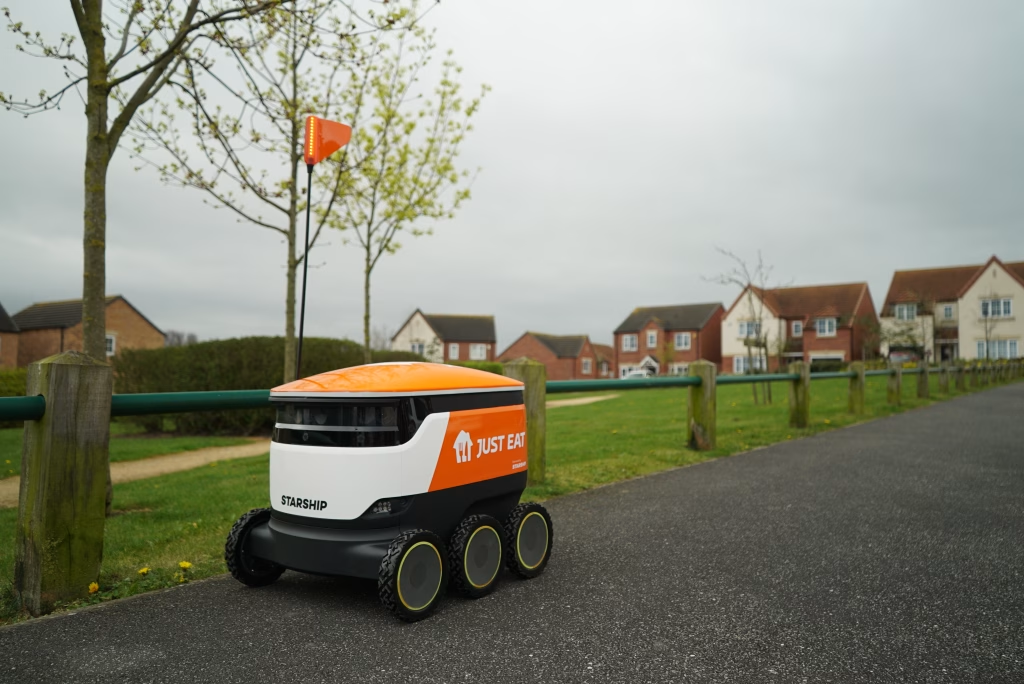
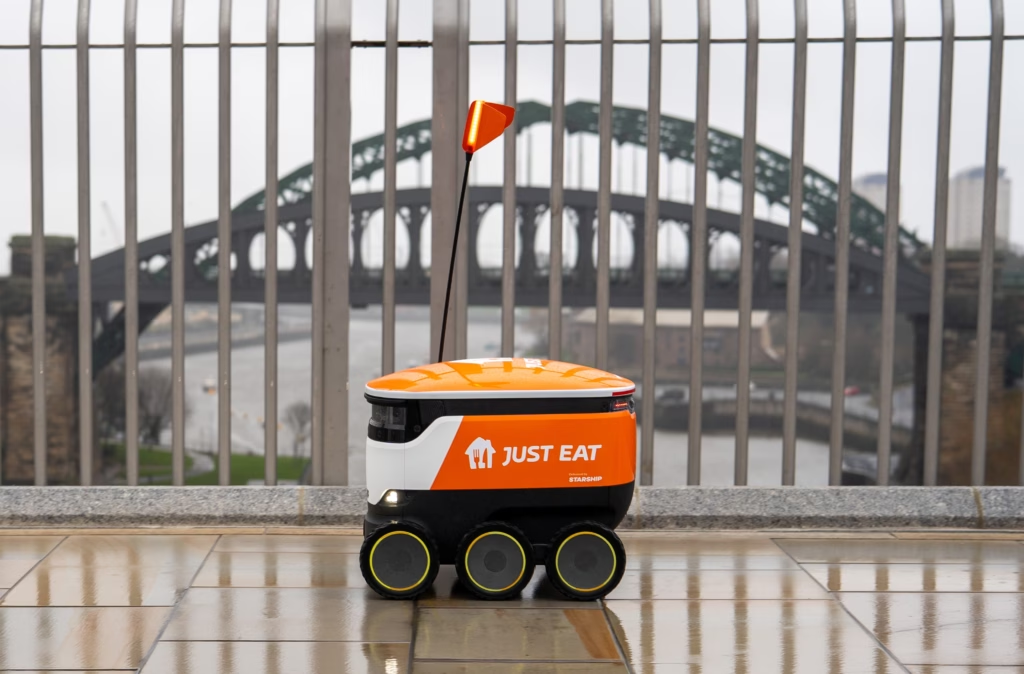
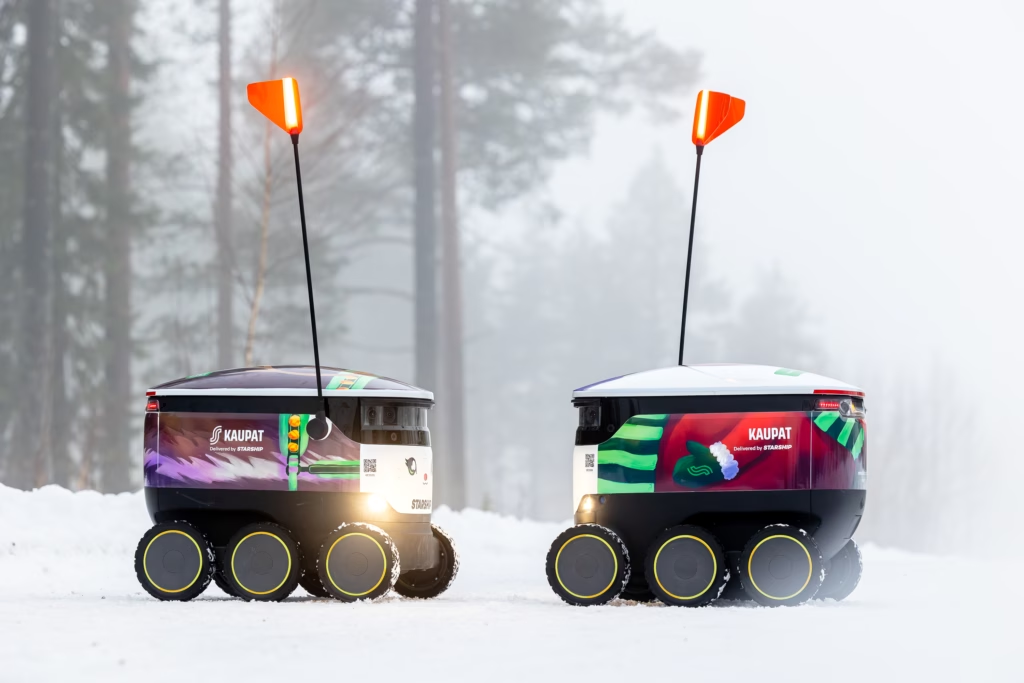
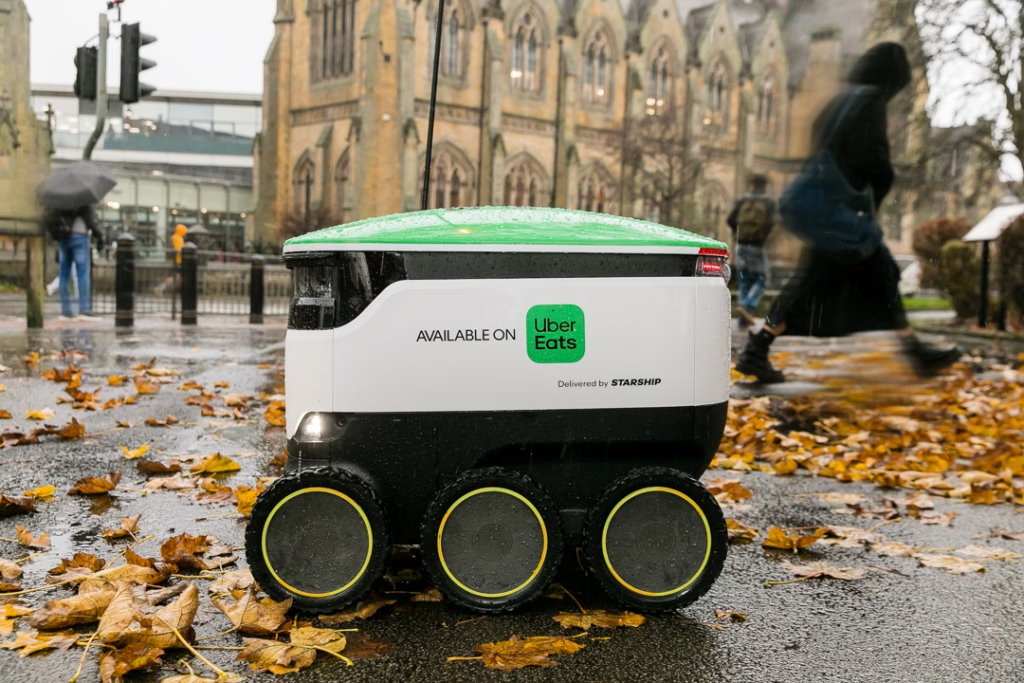
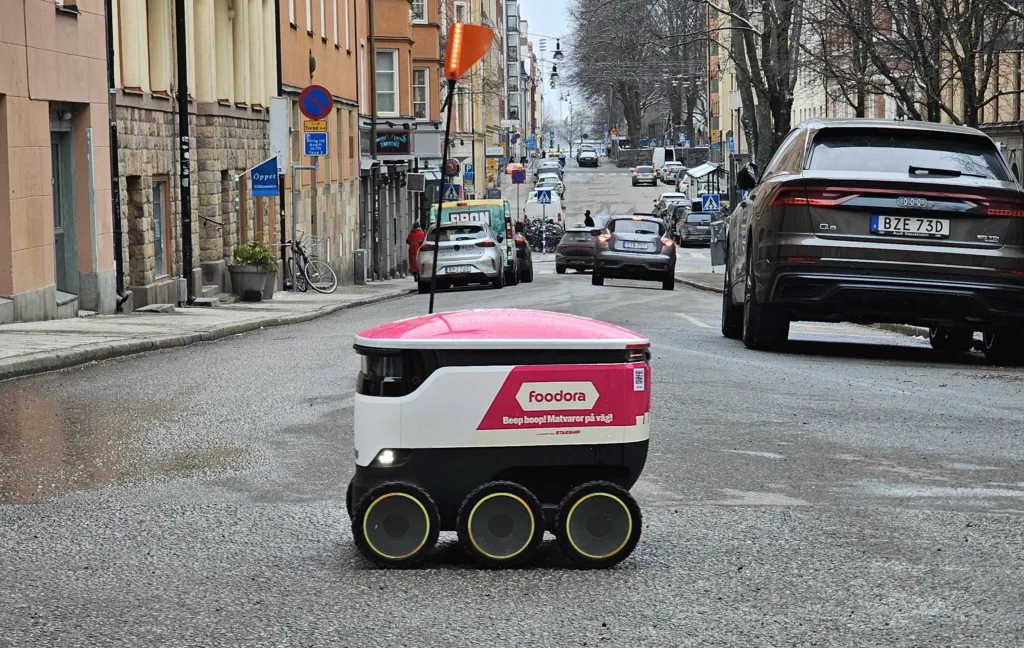
We’ve changed other things because of feedback too. Our flag used to be pale yellow. Sight loss charities told us it needed to stand out more, so we worked with them to get to the bright orange you see today, with LED lights built in. The robots also make a low humming noise when they travel so they’re audible as well as visible, and they always wait away from the push button when crossing roads so they’re never in the way.
This work is continuous. Our Accessibility Advisory Panel ensures that the lived experience of disabled people feeds directly into how we develop our technology – not as an afterthought, but right at the heart of it. Twenty-five percent of our regular UK customers are disabled or live with someone who is. That tells us we’re getting something right, and it’s why we keep pushing to do better.